Ah, the avocado! This creamy, delicious fruit has taken the culinary world by storm. But did you know that beyond its delightful taste, it packs a punch when it comes to health benefits?
Nutritional Breakdown of Avocado
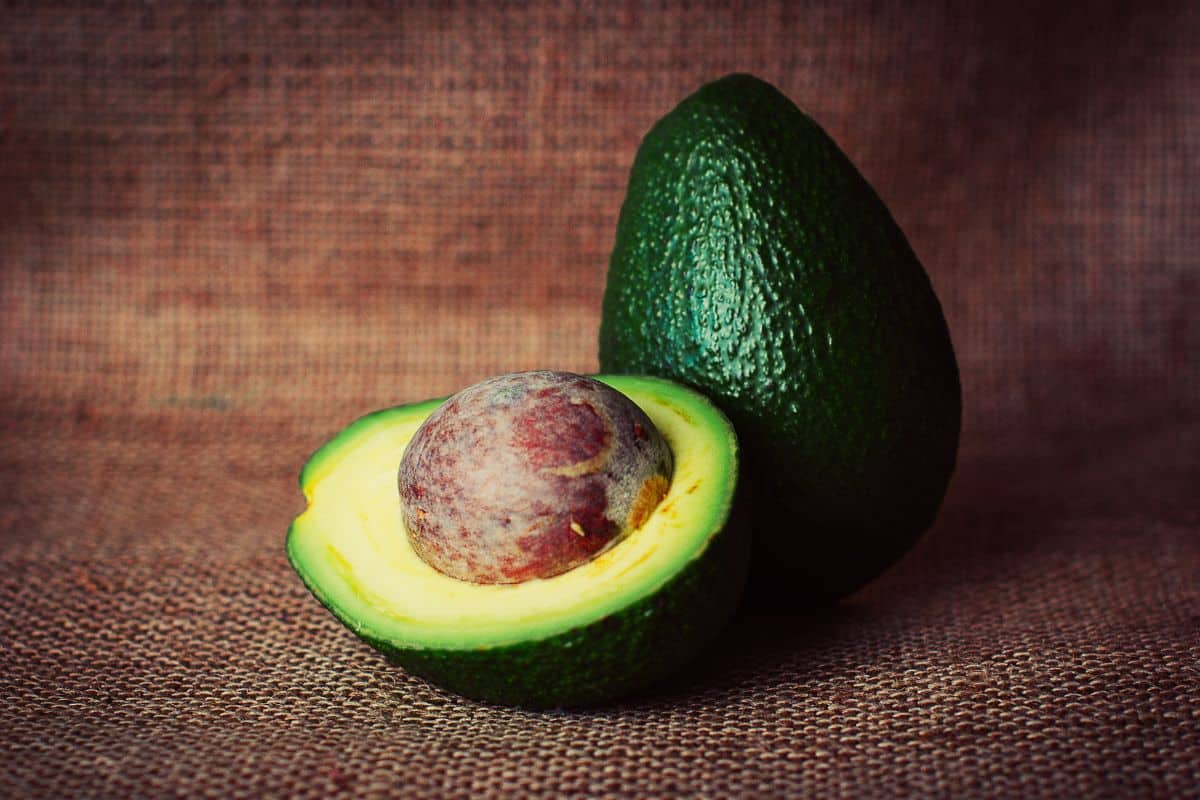
Before diving into the wonders of daily avocado consumption, let’s break down what’s inside this green gem.
Vitamins and Minerals
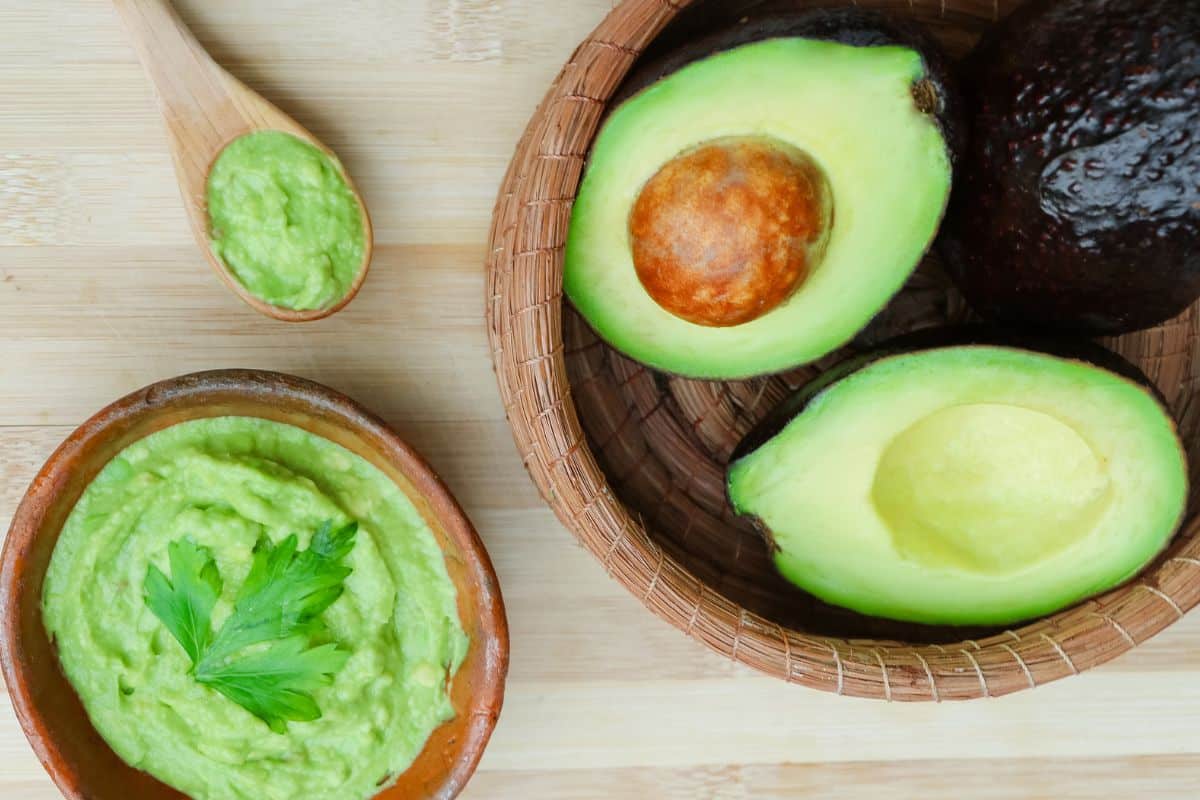
Avocados are a rich source of vitamins C, E, K, and B-6. They also provide lutein, beta-carotene, and omega-3 fatty acids. Impressive, right?
Healthy Fats and Fiber

While they’re known for their fat content, it’s the good kind! Avocados are packed with monounsaturated fats, which are heart-healthy. Plus, they’re a great source of fiber, aiding in digestion.
Benefits of Daily Avocado Consumption
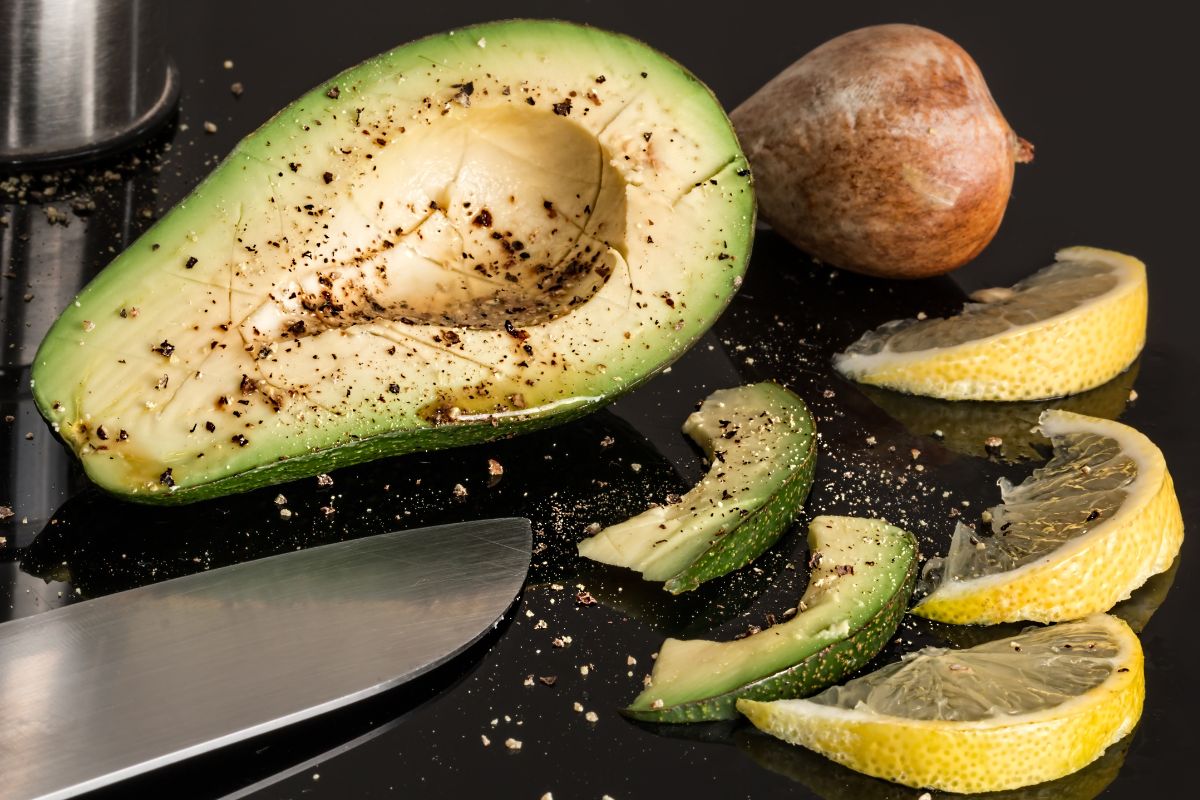
So, what happens when you make avocados a daily staple?
Heart Health

The monounsaturated fats in avocados can lower bad cholesterol levels, potentially reducing the risk of heart disease.
Vision Improvement

Lutein and zeaxanthin, found in avocados, are incredibly beneficial for eye health, reducing the risk of macular degeneration.
Weight Management
Thanks to the fiber content, avocados can help you feel full longer, potentially aiding in weight management.
Skin and Hair Health

The fats and vitamins in avocados can give you glowing skin and shiny hair. Who doesn’t want that?
Bone Strength
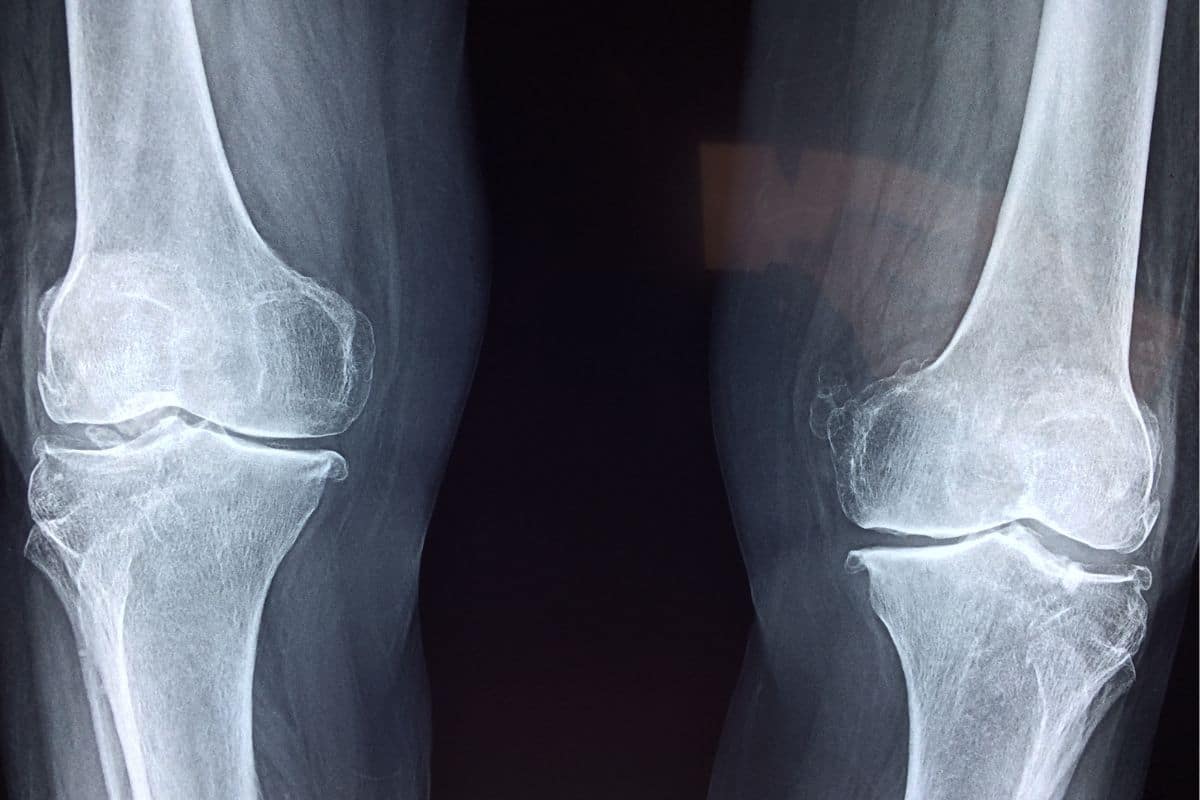
With vitamin K, avocados contribute to bone health by aiding in calcium absorption and bone mineralization.
Potential Side Effects

Like all good things, moderation is key.
Allergies and Sensitivities

Some folks might be allergic or sensitive to avocados. Always listen to your body.
Caloric Intake Consideration
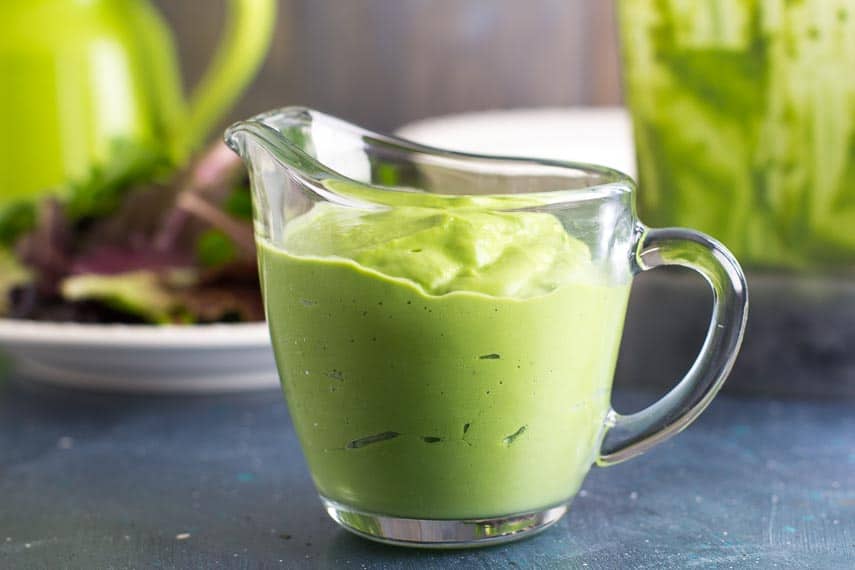
While avocados are nutritious, they’re also calorie-dense. It’s essential to balance your intake.
Creative Ways to Incorporate Avocado

Bored of guacamole? Let’s get creative!
Avocado Toast Variations

From eggs to radishes, there are countless ways to jazz up your avocado toast.
Smoothies and Desserts
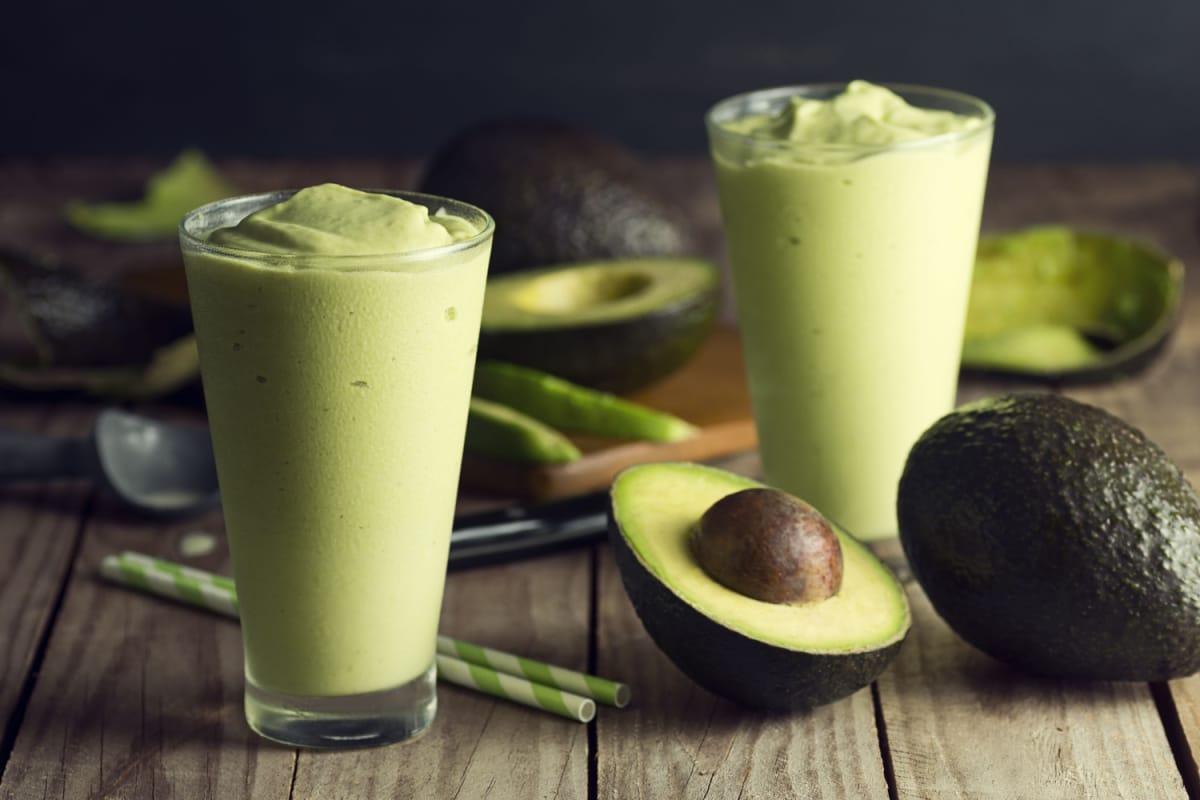
Blend avocados into your morning smoothie or even whip up an avocado-based dessert.
Health Game Changer!
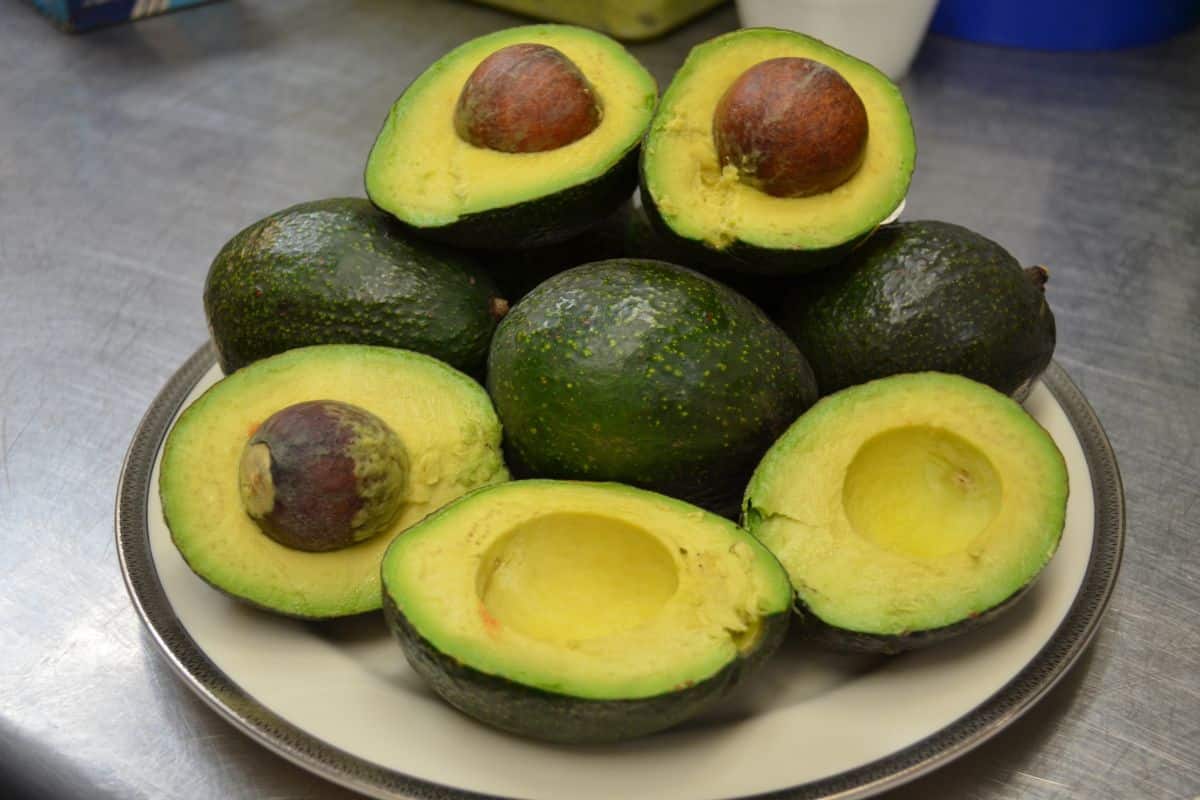
Eating avocados daily can be a game-changer for your health. From heart benefits to glowing skin, the perks are endless. So, next time you’re at the grocery store, stock up on this green wonder!
How much avocado is too much in a day?
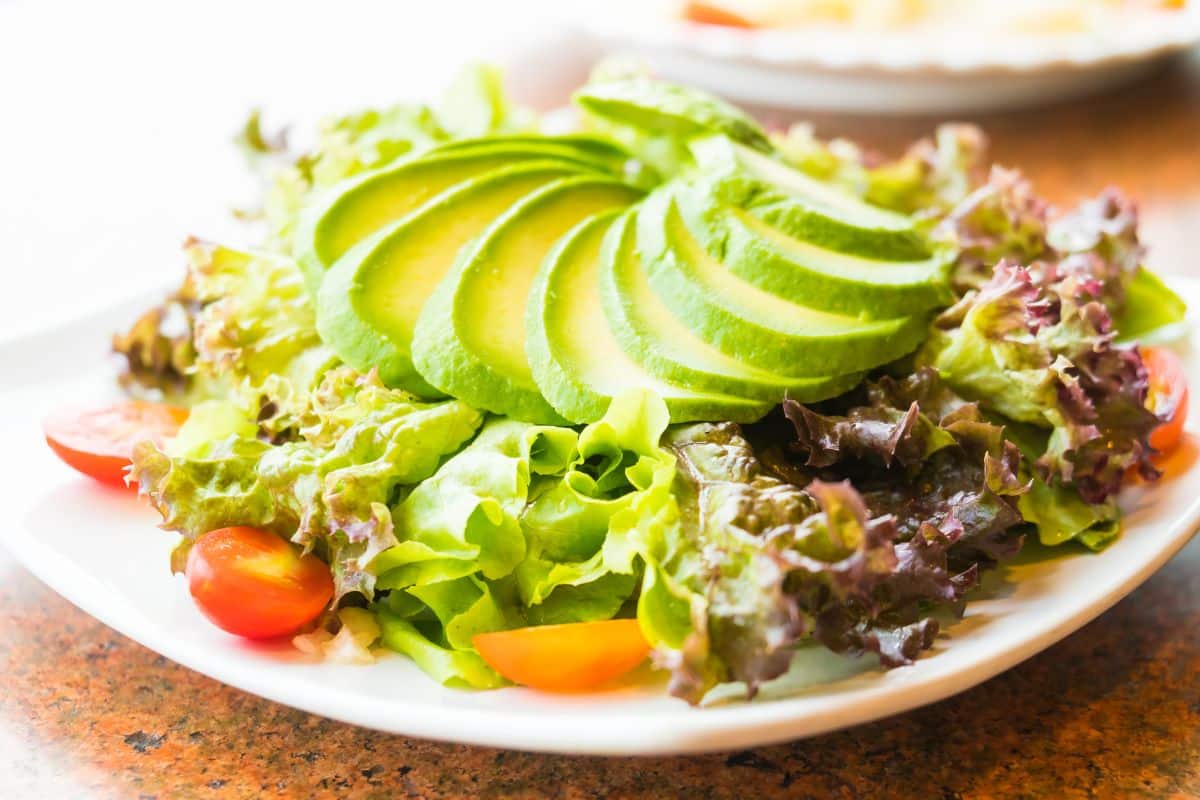
While avocados are healthy, moderation is key. One-half to one avocado daily is generally considered a good amount.
Can I eat an avocado if it’s brown inside?
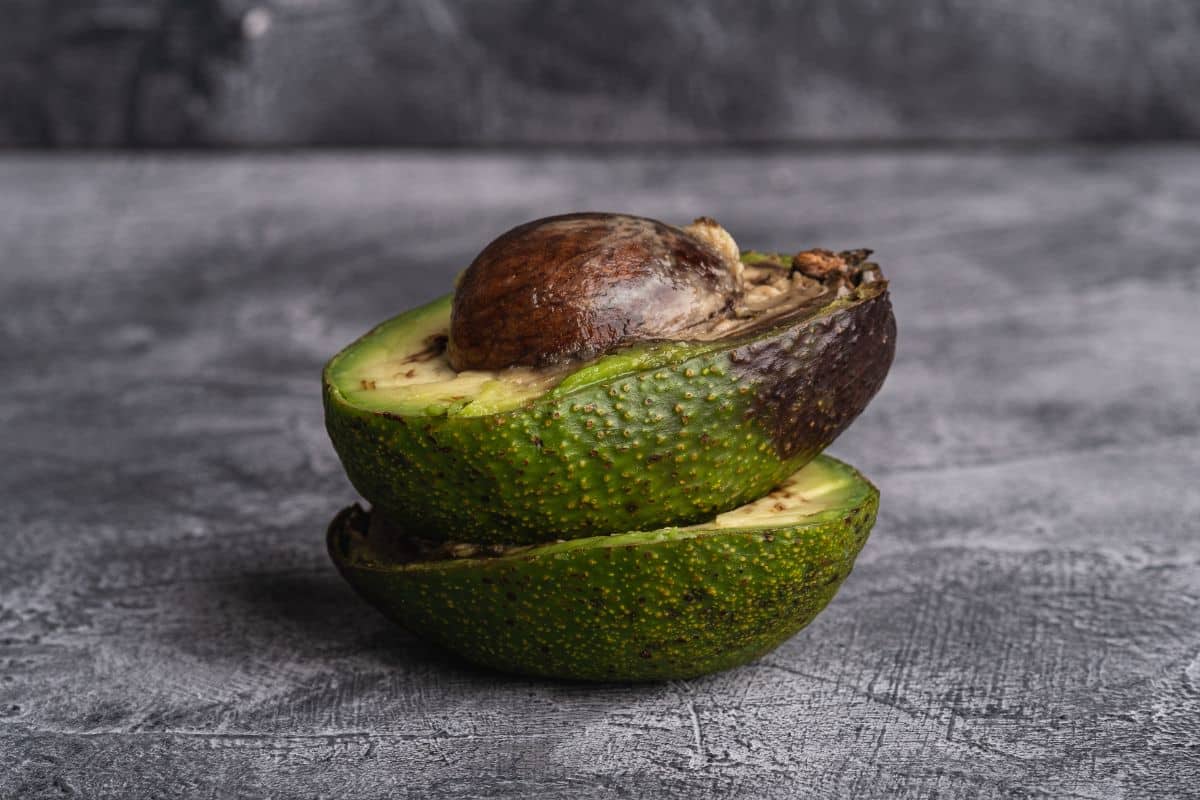
Brown spots or slight discoloration are generally safe to eat, but if it’s overly brown or has a rancid smell, it’s best to discard it.
Are avocados good for weight loss?

Avocados can aid in weight management due to their fiber content, which can help you feel full.
How can I ripen an avocado quickly?
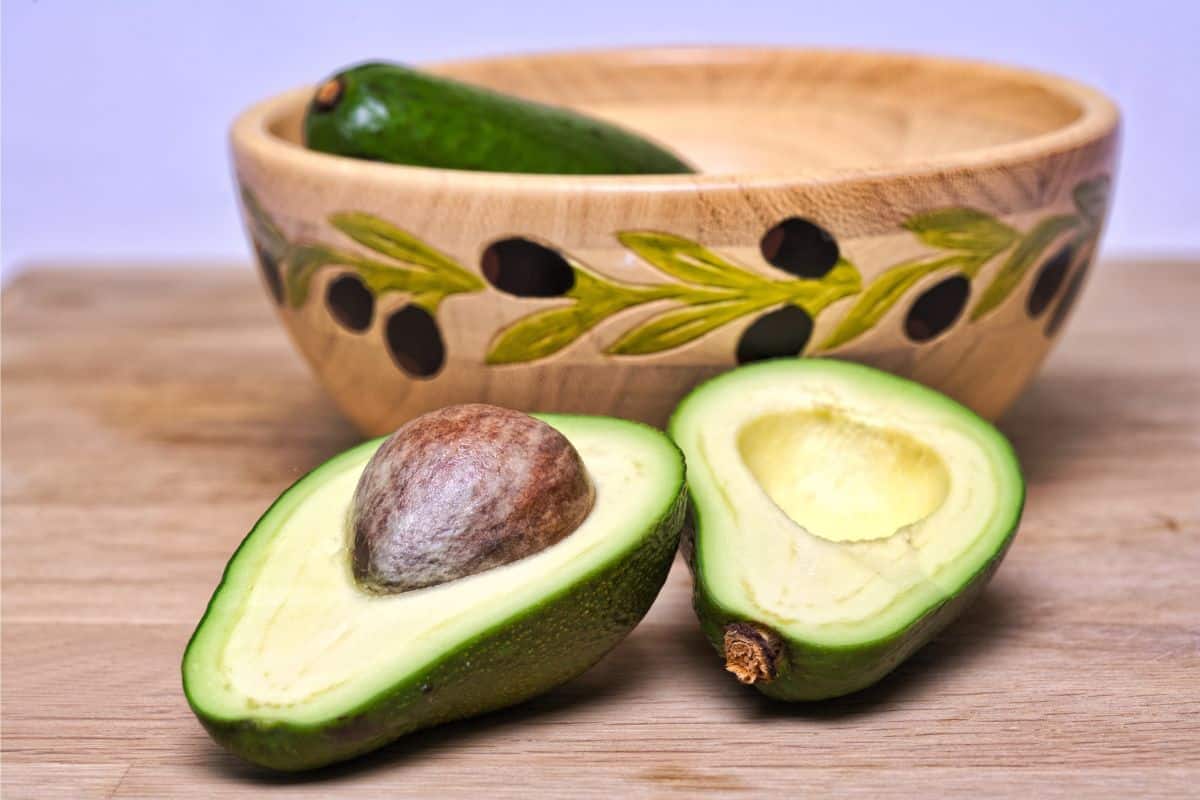
Place it in a brown paper bag with a banana or apple to speed up the ripening process.
Can I freeze avocados for later use?

Yes, you can! Just remove the skin and pit, and store in a freezer bag.
Bloating? Not Today: 10 Tips To Avoid It and 5 Tips To Get Rid Of It

Those of us with digestive issues talk about bloating – a lot. And the #1 thing everyone wants to know is, how to avoid and get rid of a bloated belly. We have 10 Tips for you for Avoiding a Bloated Belly. And 5 for Getting Rid of a Bloated Belly in case it’s too late already!
Common Digestive Health Issues in Older Adults

As the population worldwide continues to live longer, approximately 14.5% of those living in the United States are categorized as older adults or over 65.1 There seems to be a lot of information available for adults living with digestive conditions, but we do not hear as much about the older adult population.
Read: Common Digestive Health Issues in Older Adults
Fatty Liver Disease & IBS: Supporting Your Gut-Liver Axis and How to Eat If You Have Both Conditions
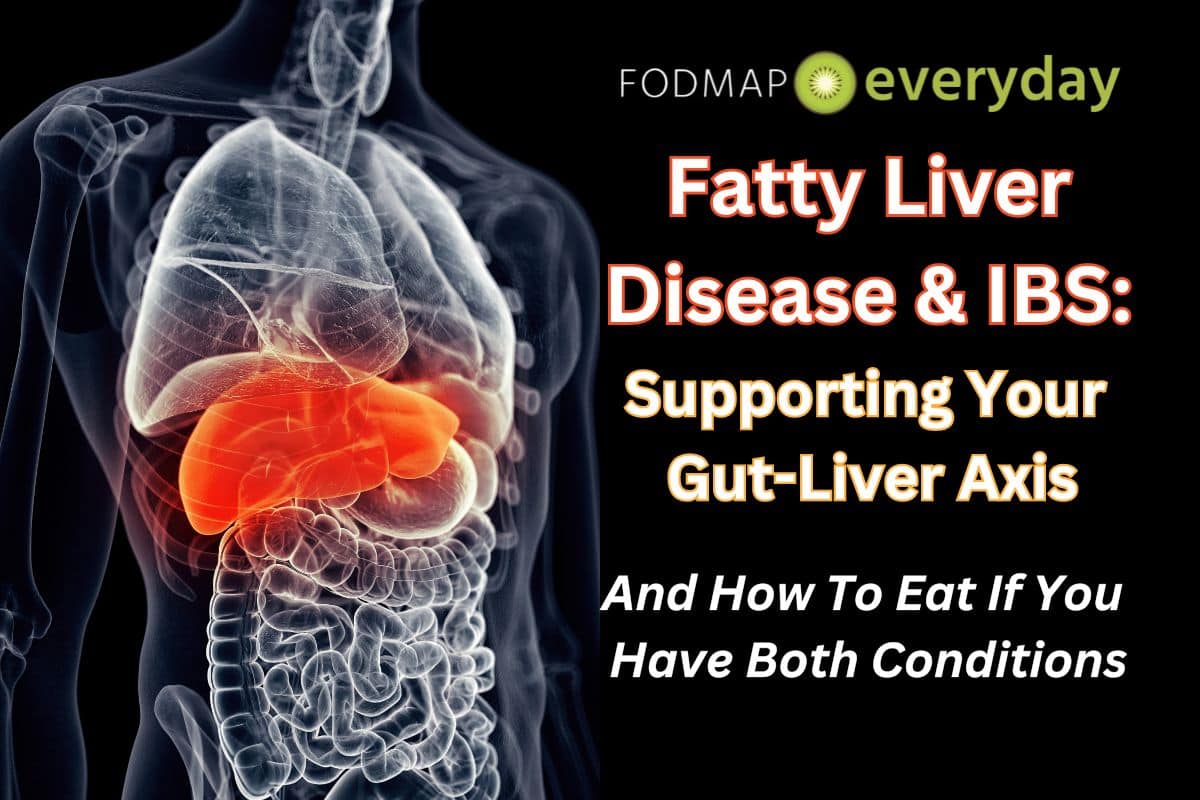
Have you heard of the ‘gut-liver axis’? Truth be told, our liver and gut are highly connected, and one system can impact the other. So, if you have irritable bowel syndrome (IBS) and have also been told you may have a fatty liver or diagnosed with Non-Alcoholic Fatty Liver Disease (NAFLD), then this might not be simply a coincidence! Read: Fatty Liver Disease & IBS: Supporting Your Gut-Liver Axis and How to Eat If You Have Both Conditions
IBS & Diabetes: The Connection & How To Eat If You Have Both
Do you have irritable bowel syndrome (IBS)? Have you also been diagnosed with type 2 diabetes or prediabetes? And so you’re wondering… What the heck do I eat now? Read: IBS & Diabetes: The Connection & How To Eat If You Have Both